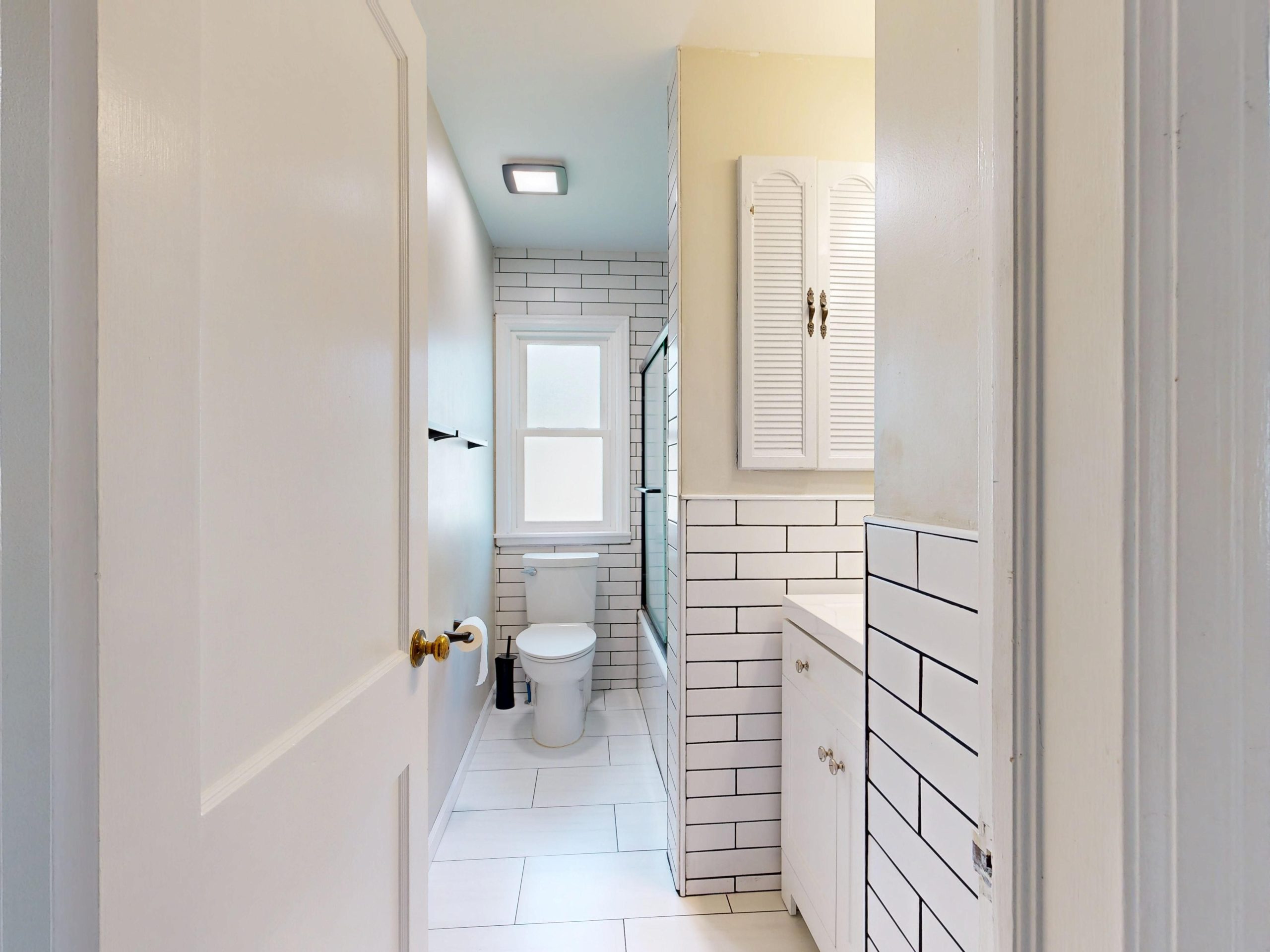
Key Takeaways
- Keep the existing bathroom layout whenever possible to reduce plumbing costs and avoid unnecessary construction work.
- Invest in proper waterproofing and hidden repairs to prevent leaks, mold, and costly damage in the future.
- Choose affordable tiles and use premium designs as accents to create an attractive look without overspending.
- Prioritize reliable toilets, plumbing fixtures, ventilation, and lighting to improve safety, comfort, and long-term performance.
- Refresh existing cabinets, mirrors, and hardware instead of replacing everything when the current materials remain in good condition.
- Save water and energy with efficient fixtures, LED lighting, and durable materials that reduce waste and ongoing costs.
- Set a realistic budget, reserve funds for unexpected repairs, and compare detailed contractor estimates before starting the remodel.
Remodeling a small bathroom can feel like a challenge when you have limited space and a tight budget. You may want a fresh, modern look, but new tiles, fixtures, cabinets, and labor costs can add up quickly. The good news is that you do not need to replace everything to create a bathroom that looks better and works well for your daily routine.
The key is knowing where to spend your money and where you can save. Some upgrades, such as waterproofing, plumbing repairs, and proper ventilation, protect your home from costly damage. Other changes, including new hardware, updated lighting, and a fresh coat of paint, can make a noticeable difference without requiring a major investment.
Before starting your project, consider the bathroom’s current condition, your household’s needs, and how much you can comfortably spend. With a clear plan, you can create a space that feels larger, looks inviting, and remains easy to maintain. Here is where to save and where to splurge when remodeling a small bathroom on a budget.
1. Save by Keeping the Existing Layout
Moving a toilet, shower, or sink can quickly increase remodeling costs. These changes may require new plumbing lines, drain connections, electrical work, and repairs to walls or floors. In a small bathroom, the added expense may not be worth it if the current layout already works reasonably well.
Keeping major fixtures in their existing locations is one of the simplest ways to control your budget. Instead of moving the toilet across the room, consider replacing it with a more compact model. A smaller vanity or wall-mounted sink may provide more walking space without changing the plumbing layout.
However, do not keep a poor layout simply to save money. If the bathroom has serious access problems, recurring leaks, or fixtures that make movement difficult, a layout change may be necessary. Ask a qualified contractor to compare the cost of keeping the existing arrangement with the benefits of changing it. This helps you decide whether the extra expense will improve comfort and function enough to justify the investment.
2. Splurge on Waterproofing and Hidden Repairs
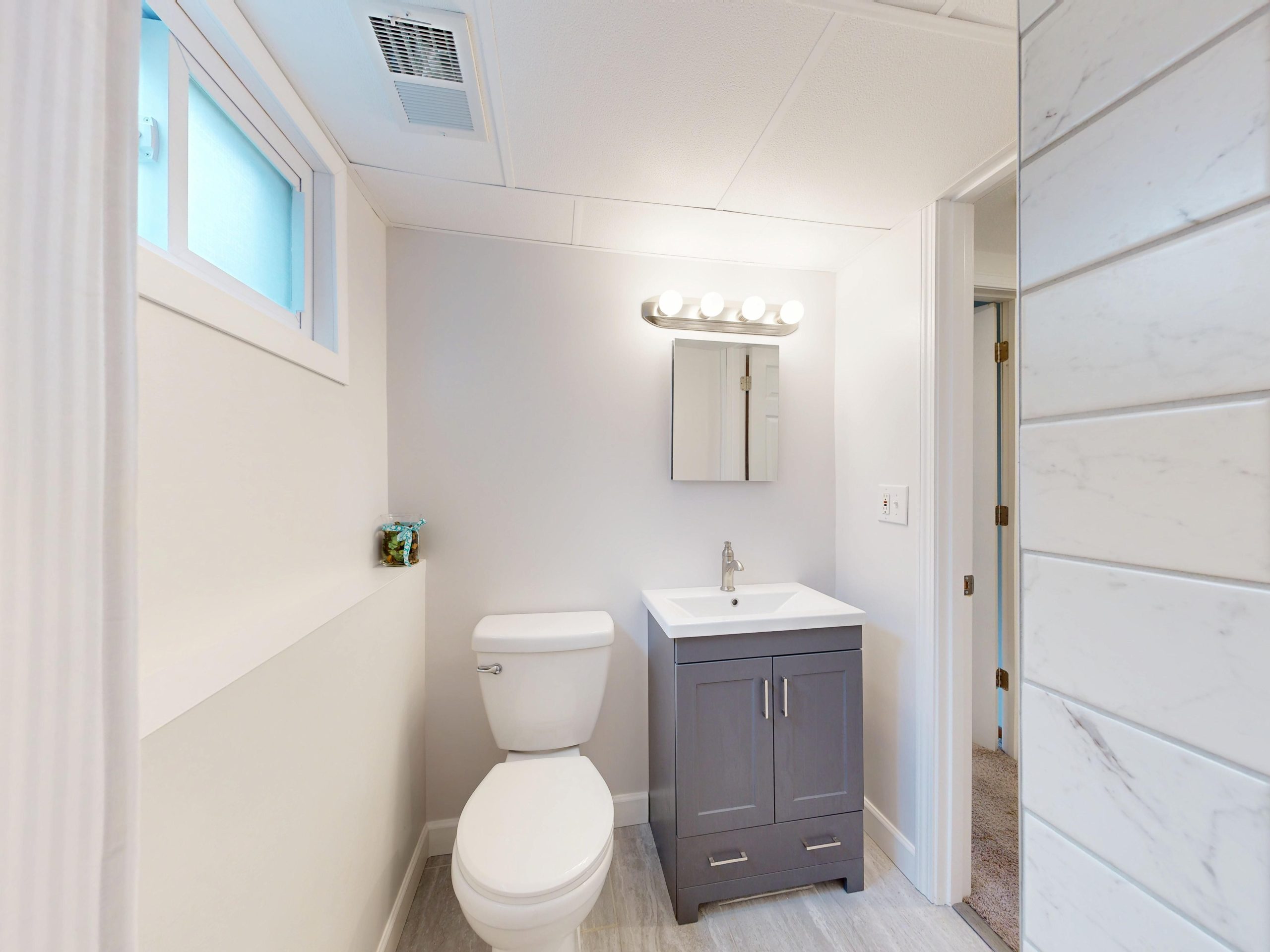
Waterproofing is one area where cutting corners can cause serious problems. A small bathroom contains several moisture-prone areas, including the shower, bathtub, sink, and floor around the toilet. If water reaches the materials behind the finished surfaces, it can damage the subfloor, weaken framing, and encourage mold growth.
Before installing new tile or other finishes, check for soft flooring, loose tiles, stained ceilings, damaged grout, and signs of leaks. These issues may point to hidden problems that need attention before cosmetic work begins. A new surface will not solve damage underneath it.
Invest in a proper waterproofing system for wet areas and make sure the installation follows the product instructions and local building codes. Use qualified professionals when the work requires specialized skills. Although waterproofing can increase the upfront cost, it helps protect your renovation and reduces the chance of paying for major repairs later.
3. Save With Affordable Tiles and Smart Tile Placement
Tile can have a big impact on a bathroom’s appearance, but premium designs are not always necessary. Basic ceramic tiles are often less expensive than many specialty options and come in a wide range of colors, sizes, and finishes. Porcelain tiles may cost more, but they are dense and durable, making them a practical choice for many bathroom floors and walls.
To save money, use decorative tiles as accents instead of covering every surface with them. You could install a simple tile throughout the bathroom and reserve a more expensive design for a shower niche or a small feature wall. Another option is to use tile only where it is needed and choose suitable moisture-resistant wall finishes elsewhere.
Keep the layout simple to reduce cutting, waste, and installation time. Before buying, calculate the required square footage and purchase extra tiles for cuts and future repairs. Ask your installer about the best tile size for the room, since very large tiles may require more careful cutting around tight spaces. Remember that the cost of installation can matter as much as the price of the tile itself.
4. Splurge on a Reliable Toilet and Plumbing Fixtures
A toilet or faucet that constantly leaks, clogs, or needs repairs can become frustrating and expensive over time. Since these fixtures are used every day, choosing reliable products can provide better long-term value than selecting the cheapest option available.
Look for a toilet that uses water efficiently while providing reliable flushing performance. WaterSense-labeled toilets meet the US Environmental Protection Agency’s efficiency and performance criteria. Depending on your existing setup, a standard-height, compact, or elongated model may be the best fit. Measure carefully before buying to make sure the toilet will fit without blocking doors or reducing comfortable movement.
For faucets and showerheads, compare durability, water use, replacement parts, and warranty coverage. You do not need luxury brands to get good performance. A well-made midrange fixture can offer a good balance of price and quality. If your current fixtures work well and show no signs of leaks or corrosion, keeping them may be a better choice than replacing them simply to match a new design.
5. Save by Refreshing the Vanity Instead of Replacing It
The vanity often takes up a large part of a small bathroom, so updating it can change the entire look of the room. However, replacing the cabinet may not be necessary if the existing unit is sturdy and has no major water damage.
A simple refresh may involve painting the cabinet, replacing worn handles, adjusting loose doors, or installing a new faucet. Use a primer and paint designed for the cabinet material, and prepare the surface carefully so the finish can hold up in a humid environment. Replacing an old mirror or adding better lighting above it can also make the vanity area feel more modern.
If the cabinet is swollen, moldy, or falling apart, replacement may be the safer choice. A compact vanity with drawers can improve storage while leaving more open floor space. Wall-mounted options can make the room feel less crowded, but they must be secured to suitable structural support. Compare the cost of repairing the existing vanity with the cost of a new unit, including installation and any plumbing adjustments.
6. Splurge on Good Ventilation and Lighting
Poor ventilation can leave a bathroom damp long after a shower. Over time, excess moisture may cause peeling paint, damaged cabinets, musty odors, and mold. A bathroom exhaust fan that is properly sized for the room and vented outdoors can help remove moisture and protect your finishes.
If your existing fan is noisy, weak, or ineffective, consider replacing it with a quieter, energy-efficient model. Check that the duct is clear and terminates outdoors rather than in an attic or enclosed space. If there is no fan, adding one may require electrical and ductwork changes, so include installation costs in your budget.
Lighting also deserves careful attention. A single overhead fixture may leave shadows around the mirror, making everyday tasks harder. Add suitable vanity lighting for shaving, grooming, or applying makeup, and choose fixtures rated for the location where they will be installed. You can save by using simple designs, but do not compromise on electrical safety. A licensed electrician can help ensure that wiring, switches, and fixtures meet local requirements.
7. Save With Paint, Mirrors, and Simple Design Choices
A small bathroom can feel brighter and more open without expensive structural changes. Light colors, clean lines, and a few carefully chosen accessories can make the room appear less crowded. Painting walls in a soft neutral shade is often one of the most affordable ways to refresh the space.
Use paint designed for bathrooms or other humid areas, and repair peeling or damaged surfaces before applying it. A larger mirror can reflect light and make the room feel more spacious. If replacing the mirror is outside your budget, clean the existing one thoroughly and update the surrounding lighting or hardware.
Avoid filling every wall with shelves, artwork, and decorative objects. Too many details can make a small room feel cluttered. Instead, choose a few useful accessories, such as matching towel hooks, a simple soap dispenser, or a compact storage basket. These small touches can create a coordinated look without the cost of premium finishes.
8. Consider Sustainable Upgrades That Reduce Running Costs
A budget remodel can also be an opportunity to reduce water and energy use. Efficient fixtures, LED lighting, and durable materials can lower household resource use while helping your bathroom remain comfortable and easy to maintain.
These changes can support green home renovations by reducing waste and improving the efficiency of everyday household systems. For example, a WaterSense-labeled showerhead can help reduce water use while meeting performance standards. LED bulbs typically use less electricity than traditional incandescent bulbs and often last longer, reducing the need for frequent replacements.
You can also consider reusing items that remain in good condition. Keeping a sound vanity, refinishing a cabinet, or donating usable fixtures instead of discarding them can reduce waste. Choose durable materials that suit the bathroom’s moisture levels, and compare the full cost of ownership rather than focusing only on the purchase price. An upgrade that costs slightly more upfront may be worth it if it lasts longer or reduces ongoing expenses.
9. Save on Accessories, but Splurge on Storage That Works
Towel bars, toilet paper holders, hooks, and cabinet pulls do not need to be expensive to look good. Affordable hardware can create a coordinated style when the finishes and shapes work together. You can also save by installing some simple accessories yourself, provided you know how to locate wall studs or use suitable anchors without damaging hidden plumbing or wiring.
Storage is a different matter because it affects how well the bathroom works every day. A cluttered counter can make the room feel smaller, while poor storage may force you to keep toiletries in other rooms. Consider a vanity with drawers, a mirrored medicine cabinet, or a recessed shower niche if the wall structure and waterproofing system allow it.
Choose storage based on what you actually use. Deep shelves may waste space if small items get lost at the back, while open shelving can collect dust and look crowded. Measure before buying and leave enough clearance for doors, drawers, and people moving around the room. A well-planned storage feature can be worth the extra cost because it helps keep the bathroom organized for years.
10. Set a Realistic Budget and Compare Contractor Estimates

Even a small bathroom remodel can involve more work than expected. Once old flooring, cabinets, or tiles are removed, you may discover damaged pipes, hidden leaks, or a weak subfloor. Planning for these possibilities can help prevent unexpected costs from derailing your project.
Start by dividing your budget into essential repairs, major fixtures, finishes, labor, and optional upgrades. Set aside an additional 10% to 20% for unexpected expenses when possible. If your budget is limited, complete the most important repairs first and postpone decorative features that can be added later.
When comparing contractor estimates, ask for a clear breakdown of labor, materials, demolition, disposal, permits, and waterproofing. Check references, confirm licensing and insurance where required, and make sure the contract explains the work, payment schedule, and warranty terms. Avoid choosing a bid based on price alone. A detailed estimate can help you compare what each contractor includes and reduce the risk of surprise charges.
Final Thoughts
A small bathroom remodel does not need a luxury budget to deliver meaningful results. The smartest approach is to spend more on features that protect your home and support daily use, such as waterproofing, plumbing, ventilation, and reliable fixtures. Save on decorative finishes, accessories, and cosmetic updates when affordable alternatives can provide a similar look.
Before you begin, identify the problems you want to solve and decide which improvements matter most. Keep the existing layout when it works, repair hidden damage before adding new finishes, and choose durable materials that fit your household’s needs.
Some of the most impressive high-end house transformations rely on thoughtful planning rather than expensive products alone. By balancing essential repairs with budget-friendly design choices, you can create a small bathroom that feels fresh, functions better, and offers lasting value without overspending.