Highlights
- Why are rodents a health hazard?
- What diseases can rodents spread?
- How does a rodent infestation affect mental health?
- What are effective methods for rodent control?
- How can we prevent rodent infestations?
- Understanding the economic impact of rodent problems.
Why are rodents a health hazard?
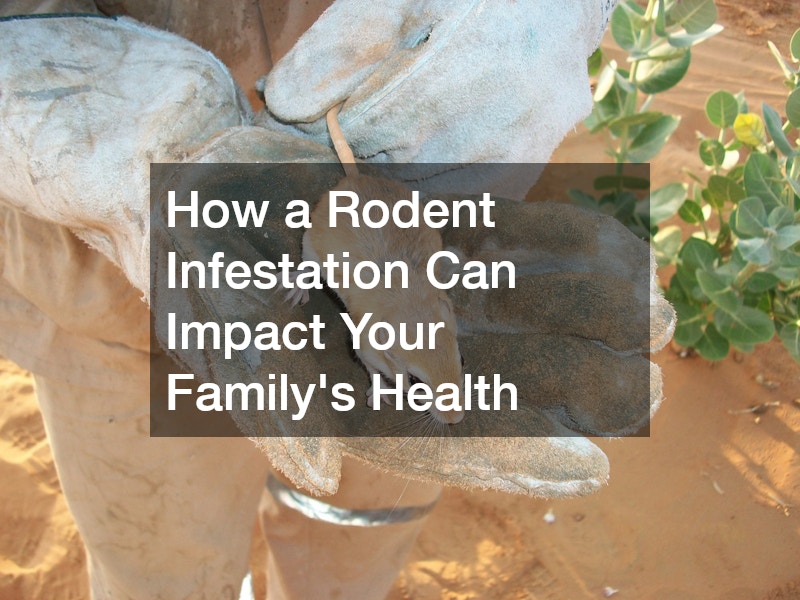
Rodents are known to carry a range of harmful pathogens that can cause serious health issues in humans. Their ability to adapt and thrive in various environments makes them a widespread problem.
When they come into close contact with humans, there is an increased risk of disease transmission both directly and indirectly. The presence of rodents can lead to contamination of food and living areas through droppings, urine, and saliva. Surprisingly, rodents are responsible for spreading over 35 diseases worldwide, according to the Centers for Disease Control and Prevention (CDC).
Due to their rapid breeding cycles, rodent populations can multiply quickly if not controlled, exacerbating the risk to human health over time. It’s crucial to address rodent infestations promptly to minimize health risks. Rodent control efforts should focus not only on eliminating the visible population but also on addressing the root causes of infestation. Additionally, public awareness and education about rodents can play a significant role in prevention efforts. Understanding how rodents move and what attracts them to human habitations can help in creating effective prevention strategies.
What diseases can rodents spread?
Rodents are notorious for being carriers of numerous diseases, many of which can be transmitted to humans in various ways. Leptospirosis, hantavirus, and salmonella are just a few examples of significant illnesses spread by rodents, and these can result in severe, lasting health impacts if contracted. Hantavirus, for instance, is a severe respiratory disease transmitted by rodent droppings, urine, or saliva. Effective rodent control measures can significantly reduce the chances of these pathogens making their way into human environments. Consistent cleaning, along with professional pest control services, can help mitigate the risks posed by rodents.
The health risks do not stop at bacterial and viral infections; rodents can also transport ticks, mites, and fleas into homes, each carrying their own potential diseases. For instance, ticks are known carriers of Lyme disease, an illness with potentially debilitating long-term effects. Regular monitoring and proactive prevention are necessary to safeguard homes against these parasites. Additional measures such as sealing entry points and maintaining cleanliness can further support effective rodent control. According to the World Health Organization (WHO), proper sanitation and rodent control are cost-effective measures for preventing disease transmission.
How does a rodent infestation affect mental health?
Living with the knowledge of a rodent infestation can have a severe psychological toll on individuals and families. Increased anxiety, stress, and a sense of helplessness are common emotional responses to pest infestations. The constant concern about exposure to health risks and the potential damage to property can exacerbate these feelings. Much like physical health, mental well-being is crucial and can be adversely affected without timely and effective rodent control measures. Moreover, rodent noises and sightings can lead to sleep disturbances, further impacting mental health.
The emotional burden of dealing with a potential rodent problem can affect personal relationships and overall quality of life. People may become reluctant to invite guests over due to embarrassment or fear of an infestation being discovered. This social isolation can compound mental health issues, especially when individuals feel ashamed or powerless. This highlights the need for support systems and accessible pest control solutions to restore peace of mind. Sharing experiences and adopting community-based prevention strategies can foster a sense of collective strength against rodent problems.
What are effective methods for rodent control?
Rodent control is most effective when approached as a multi-faceted strategy, integrating both preventative and responsive methods. Traditional techniques such as traps and rodenticides remain widely used, but they should be applied carefully and in compliance with safety guidelines. Moreover, these should be complemented by modern technologies like ultrasonic repellents and electronic monitoring. For truly sustainable rodent control, habitat modification practices can help deter these pests from settling in human environments. Such modifications include sealing entry points, removing clutter, and managing waste effectively.
The importance of cleanliness cannot be overstated in the context of rodent management. Regular cleaning to remove potential food sources and nesting materials significantly reduces the likelihood of infestation. Additionally, maintaining open communication with professional pest control services ensures that any new issues are addressed promptly. Professional services can provide tailored plans based on the specific needs of a property, employing environmentally friendly and humane methods.
Understanding the economic impact of rodent problems
The economic impact of rodent infestations is a multi-layered issue, affecting both individual households and the broader community infrastructure. For homeowners, expenses associated with treating infestations and repairing property damage can quickly add up. Beyond just structural damage, rodents can also ruin stored goods, particularly those in warehouses or manufacturing facilities. The economic consequences extend into agricultural sectors, where rodents can destroy crops, leading to significant financial losses. Understanding these ramifications underscores the importance of implementing effective rodent control and prevention strategies early.
Commercial entities also feel the financial pinch of rodent problems, often facing lost revenue and damaged reputations if infestations occur. For businesses in the food sector, maintaining a rodent-free environment is critical to operations and safety compliance. A single health violation related to rodent exposure can result in costly penalties and loss of consumer trust. Therefore, investing in regular pest inspections and robust control measures can prove to be economically beneficial in the long term. According to the Food and Agriculture Organization (FAO), rodents are responsible for the loss of 5-10% of stored grains in developed countries annually.
Addressing rodent infestations is a critical matter that encompasses health, psychological, and economic considerations. The introduction of rodent control measures, along with community cooperation and continuous education, is essential for effective pest management. Understanding the challenges posed by rodents and implementing integrated strategies can safeguard homes and communities. As we become more vigilant and proactive in our approach, the potential for rodents to significantly disrupt our living environments diminishes. It rests upon individuals and collectives alike to acknowledge the far-reaching impacts of rodent presence and take decisive actions against it.