
Life rarely follows a perfectly predictable path. Marriage, divorce, parenthood, illness, injury, and personal recovery can all change the way people think about their homes and financial futures. While these experiences may seem unrelated at first, they often influence one another in meaningful ways. A family transition can change housing needs, a recovery journey can reshape household priorities, and homeownership can provide stability during periods of uncertainty.
Understanding these connections can help individuals and families make thoughtful decisions when life changes unexpectedly. Whether someone is preparing for a new chapter, adjusting to a major loss, or working toward a healthier future, the home can become an important part of the process.

Family Changes Can Reshape Housing Priorities
Major family transitions frequently change what people need from their living spaces. A couple preparing for their first child may need an additional bedroom, while parents navigating a divorce may need to establish separate households. Adult children returning home, aging relatives moving in, and blended families combining households can also create new demands on a property.
These changes involve more than square footage. They can influence neighborhood preferences, commuting distances, school choices, accessibility requirements, and monthly expenses. A home that once suited a household perfectly may no longer support its daily routines or long-term goals.
For example, a growing family might prioritize a larger kitchen, additional storage, and a backyard where children can play. Someone adjusting to life after a separation may prefer a smaller property that requires less maintenance and offers more predictable expenses. Families caring for older relatives may need first-floor bedrooms, accessible bathrooms, or modifications that make movement throughout the home easier.
Recognizing these changing priorities early can prevent unnecessary financial pressure. Rather than choosing a property based solely on its appearance or resale potential, buyers can evaluate how well it supports their current circumstances and anticipated needs.
Family changes can also involve legal and financial decisions that affect homeownership. During a divorce, questions about property ownership, mortgage responsibilities, and the division of shared assets may require careful consideration. Consulting qualified family lawyers can help individuals understand the legal issues involved in their particular situation before making significant housing decisions.
Recovery Can Change the Meaning of Home
Recovery is often associated with medical treatment, counseling, or rebuilding personal habits. However, the surrounding environment can also influence how someone experiences the process. A home that feels safe, comfortable, and manageable may help support routines that contribute to greater independence and well-being.
For someone recovering from an injury, the ability to move around the home without unnecessary obstacles can make everyday activities less stressful. For someone rebuilding their life after a difficult personal experience, a familiar and peaceful environment may provide a welcome sense of consistency.
The meaning of home can change during recovery because everyday tasks may require more planning than they did previously. Carrying groceries, climbing stairs, preparing meals, or completing household chores may become difficult for a period of time. These challenges can encourage homeowners to reconsider their surroundings and identify changes that make daily life easier.
Physical modifications might include installing grab bars, improving lighting, reducing tripping hazards, or rearranging furniture to create clearer pathways. In other situations, the most helpful adjustments may be less tangible, such as establishing a consistent sleep schedule or creating a quiet area for relaxation.
Recovery also demonstrates why homeownership should be evaluated in terms of more than property value. A home can represent independence, familiarity, and the opportunity to rebuild a routine. However, maintaining that environment requires resources, and a property that creates excessive financial or physical demands can complicate an already challenging period.
The goal is not to make a home perfect. It is to create a living environment that supports the household’s actual needs while leaving room for those needs to change.

Financial Stability Connects Family Decisions and Homeownership
Family transitions and recovery journeys often have financial consequences that extend well beyond their immediate costs. A separation may introduce duplicate housing expenses, while an injury could temporarily reduce household income or increase medical bills. Welcoming a child or caring for an aging parent can also change the amount of money available for mortgage payments, savings, and maintenance.
These circumstances highlight the importance of evaluating homeownership through the lens of financial resilience.
A mortgage payment is only one part of the cost of maintaining a property. Homeowners must also account for property taxes, insurance, utilities, repairs, maintenance, and unexpected expenses. When household circumstances change, costs that previously seemed manageable may become more difficult to absorb.
Building an emergency fund can provide a buffer against these disruptions. Even modest, consistent contributions can help households prepare for expenses without immediately relying on credit cards or loans. Reviewing recurring bills and identifying discretionary spending can also reveal opportunities to preserve cash during uncertain periods.
Homeowners may benefit from examining their mortgage terms, insurance coverage, and outstanding debts whenever a major life event occurs. If income changes substantially, contacting a mortgage servicer early may help clarify available options before missed payments become a larger problem.
The same principle applies when considering a new property. Buying at the upper limit of an approved mortgage amount may leave little flexibility for medical expenses, childcare, or other changing needs. A more conservative budget can preserve the ability to respond to unexpected circumstances.
Financial stability does not mean avoiding every risk. It means making decisions that allow a household to withstand setbacks without sacrificing essential needs or long-term security.
Home Modifications Can Support Physical Rehabilitation
A person’s housing needs may change considerably after an accident, surgery, or other event that affects mobility. A property with steep stairs, narrow hallways, or an inaccessible bathroom may become difficult to navigate during rehabilitation.
In these situations, the home environment can influence how easily someone manages everyday activities while following a recovery plan. Physical therapy rehabilitation may involve rebuilding strength, balance, coordination, and functional movement, making a safe and accessible living space particularly important.
Homeowners can start by identifying the areas that create the greatest challenges. Frequently used items might need to be moved to reachable shelves, loose rugs may need to be removed, and furniture may need to be rearranged to provide more walking space. Better lighting can also improve visibility when moving between rooms.
More substantial changes may be appropriate depending on the individual’s needs. These could include installing ramps, widening doorways, modifying bathroom fixtures, or creating a sleeping area on the ground floor. Decisions should be based on professional guidance and the person’s expected mobility rather than assumptions about what will be necessary.
It is also important to consider whether the property can accommodate future needs. Someone who expects a temporary recovery may require only a few adjustments, while a person facing lasting mobility limitations might benefit from more comprehensive accessibility improvements.
The financial implications deserve attention as well. Homeowners should compare modification costs with their available resources and investigate whether applicable insurance benefits, assistance programs, or other funding options can help. Planning improvements carefully can reduce the risk of paying for unnecessary work or making changes that do not adequately address the problem.
Ultimately, an accessible home can help preserve independence by making ordinary activities easier to manage. That benefit can matter just as much as the home’s aesthetic appeal.
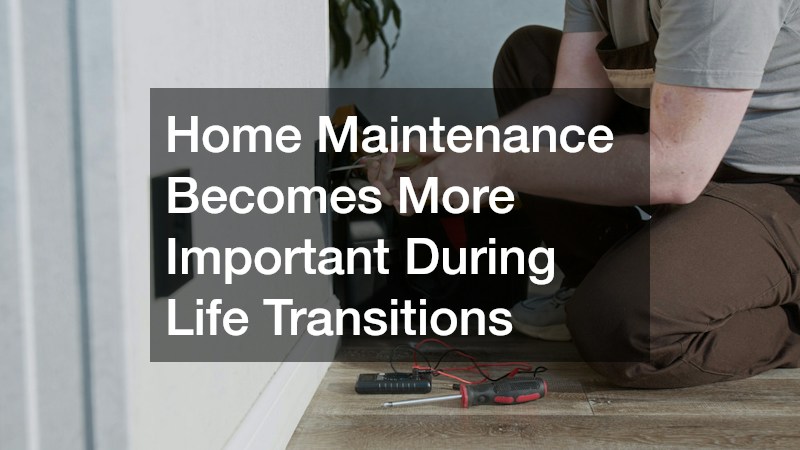
Home Maintenance Becomes More Important During Life Transitions
Home maintenance may seem like a separate concern from family changes or recovery, but the connection becomes clear when household responsibilities increase or available time decreases.
A couple preparing for a baby may suddenly have less time for repairs. Someone living alone after a separation may need to manage maintenance tasks that were previously shared. A homeowner recovering from an injury may be unable to complete routine physical work around the property.
Deferred maintenance can turn manageable problems into expensive disruptions. A small leak may damage flooring or drywall, while an inefficient heating system can increase utility expenses and create discomfort during colder months. Addressing problems early often makes budgeting and scheduling easier.
For example, timely furnace repairs can help restore reliable heating and prevent an unresolved equipment issue from becoming a larger household concern. Homeowners should use qualified professionals when heating problems involve specialized equipment, electrical components, fuel systems, or other potential hazards.
Insulation is another consideration that can influence comfort and household expenses. An insulation company can assess areas where heat loss may be occurring and recommend improvements appropriate for the building. Better insulation may reduce heating and cooling demands, although the actual savings depend on the home’s condition, climate, energy prices, and existing equipment.
These improvements can become especially valuable when a household is adjusting to a reduced income or managing new caregiving responsibilities. Lower energy use and fewer emergency repairs may help make monthly expenses more predictable.
Homeowners should also distinguish between urgent maintenance and projects that can reasonably wait. Safety-related problems, active leaks, and failing essential systems generally deserve priority over cosmetic upgrades. A written maintenance schedule can make this process more manageable by helping households anticipate recurring tasks rather than responding to every issue as a crisis.
Decluttering Can Make Room for a New Chapter
Major life events often leave people with more belongings than their current circumstances can accommodate. A move after a divorce, the death of a relative, a child leaving home, or a decision to downsize may require sorting through years of accumulated possessions.
Decluttering can have practical and emotional dimensions. Furniture, photographs, clothing, and keepsakes may represent important relationships or periods of life. Deciding what to keep, donate, sell, or discard can therefore take time, particularly when several family members have different preferences.
Approaching the process gradually may reduce the pressure. Homeowners can begin with a single room, establish categories for belongings, and set aside sentimental items that require additional thought. When multiple relatives are involved, agreeing on responsibilities and deadlines can help prevent misunderstandings.
In situations involving a large property, extensive accumulation, or the belongings of a deceased relative, a house cleanout service may help remove unwanted items and prepare the home for its next use. Professional assistance can be particularly useful when family members live far away or cannot safely manage the physical work themselves.
The condition of a property can also influence future housing choices. A home that has become difficult to maintain may encourage a household to downsize, while clearing unused rooms could make space for an incoming family member or a dedicated recovery area.
Decluttering does not require eliminating everything associated with the past. Instead, it can help homeowners create surroundings that better reflect their present priorities. The result may be a more functional living space and a clearer sense of how the home can support the next stage of life.

Family Milestones Can Influence Property Decisions
Some housing decisions arise from positive changes rather than unexpected hardship. Engagements, marriages, new children, and growing financial independence can all encourage people to reconsider where and how they want to live.
For couples planning a future together, purchasing a home may represent a shared commitment. However, major financial decisions are best approached through open discussions about income, debts, savings, credit histories, and expectations for household responsibilities.
Even seemingly unrelated milestones can affect these conversations. Shopping for engagement rings, for instance, may prompt a couple to discuss how they want to balance wedding expenses, savings goals, and a potential home purchase. These discussions can reveal differences in spending habits before the partners take on a shared mortgage or other long-term obligations.
There is no universal timeline for buying a home after becoming engaged or married. Some couples may have enough savings and financial stability to purchase a property immediately, while others may benefit from renting longer, reducing debt, or establishing more consistent employment first.
The same flexibility applies to families welcoming children or combining households. A larger property may eventually make sense, but the costs of moving, furnishing additional rooms, and maintaining a bigger home should be considered alongside other priorities.
Homeownership is most sustainable when it supports a family’s goals instead of becoming a milestone that must be reached by a particular age or relationship stage. Taking time to discuss expectations can help households choose properties that fit their actual circumstances.
Outdoor Improvements Can Make a Property More Functional
The exterior of a home can influence how well the property supports changing household needs. A secure yard may be important for a family with young children or pets, while accessible outdoor seating can offer a comfortable place to spend time outside during recovery.
Landscaping and property improvements should be evaluated according to their practical benefits, maintenance requirements, and cost. Homeowners may enjoy creating a garden, improving privacy, or adding a more usable outdoor area, but these projects should not undermine savings needed for essential expenses.
Hiring a local fence contractor may be appropriate when a household needs to establish clear property boundaries, improve yard security, or create a more enclosed space for children and pets. Before proceeding, homeowners should check applicable permits, property lines, homeowners association rules, and local restrictions.
Trees also require attention as properties age. Dead, damaged, or poorly positioned trees can create concerns involving falling branches, roof damage, and nearby structures. A tree removal service can evaluate whether removal is warranted and handle work that requires specialized equipment or safety precautions.
Some families may also need additional covered space for vehicles, tools, recreational equipment, or household storage. A garage building contractor can help assess the feasibility of constructing a garage based on the property’s layout, zoning requirements, budget, and intended use.
Not every improvement will produce an immediate financial return. However, well-planned projects can make a property more convenient and better suited to the people living there. Prioritizing function over appearance helps homeowners avoid spending money on upgrades that do not address their most pressing needs.
Rebuilding After an Accident May Involve Housing Decisions
An accident can affect far more than physical health. It may disrupt employment, increase household expenses, change a person’s ability to drive, or make a previously comfortable home difficult to navigate.
For homeowners facing these circumstances, housing decisions may need to be coordinated with medical care, insurance matters, and financial planning. Someone who cannot safely use stairs, for example, may need temporary accommodations while their property is modified. Another person may find that living closer to relatives or treatment providers offers practical support during recovery.
When an accident involves a legal claim, understanding the relevant deadlines, documentation requirements, and potential sources of compensation may also become important. People evaluating their options may consult the best personal injury lawyers for guidance about the circumstances of their case and the legal remedies that may be available.
However, it is wise to avoid making major financial commitments based on compensation that has not yet been received. Legal claims can take time to resolve, and the outcome is not guaranteed. Households should develop a realistic interim budget that accounts for current income, ongoing expenses, and immediate housing needs.
The same caution applies when deciding whether to sell a home after an accident. Selling might reduce maintenance responsibilities or provide access to a more suitable property, but it can also involve transaction costs, moving expenses, and changes to a person’s support network.
Whenever possible, homeowners should compare temporary solutions with long-term alternatives before making irreversible decisions. A careful assessment of accessibility, affordability, location, and expected recovery needs can help prevent a difficult period from leading to unnecessary financial strain.
Creating a Home That Can Adapt to Change
The strongest connection between family changes, recovery, and homeownership is the need for adaptability. A home that works well today may require adjustments as relationships evolve, children grow, health changes, or financial circumstances shift.
Adaptability begins with realistic planning. Homeowners can review their household budgets regularly, maintain an emergency fund, address important repairs promptly, and reconsider whether their property still supports their daily routines. They can also identify which modifications would be most useful if their needs changed unexpectedly.
It is equally important to recognize the limits of a property. Some homes can be adapted through relatively modest improvements, while others may present structural, accessibility, or financial obstacles that make a move more practical. Neither choice represents a failure. The appropriate decision depends on the household’s priorities and available resources.
Family members can make this process easier by communicating openly about responsibilities, expectations, and future plans. Discussing who will manage maintenance, how expenses will be shared, and what support might be needed during recovery can reduce confusion when circumstances change.
Professional guidance may also help households navigate complex decisions. Financial advisers, qualified contractors, medical professionals, and legal practitioners can each provide insight into different aspects of a transition.
Ultimately, homeownership is not simply about acquiring property or building equity. It is about maintaining a living environment that supports security, independence, and the ability to move forward. When families recognize how housing connects with personal recovery and changing relationships, they can make decisions that are more resilient, practical, and aligned with the lives they want to build.